









For years, in enterprise software , the user interface was considered almost a final detail: first, we thought about the architecture, the features, the technical robustness. Then, only at the end, the "how" the system looks. But today we know that it no longer works that way and that user expectations have risen, and not a little! Because the interface is the place where the solution is actually used in everyday life and operations: the space where people open applications, consult data, approve requests, manage documents, make decisions. It is precisely there that the true value of a digital solution .
If the experience is cumbersome, even the most well-designed process loses effectiveness. If it's fluid , everything becomes simpler .
The workspace: where the implemented model becomes everyday operational practice
Jamio openwork is a platform focused on process digitization. But a process designed for execution must also take into account the users who will be involved from the outset.
That is, points where:
- requests become concrete activities,
- activities arrive in people's agendas,
- documents are consulted and updated,
- decisions are made.
Rethinking the user experience doesn't mean changing the "look and feel." It means modifying how the system is perceived and used every day. Reducing small frictions. Making steps more intuitive. Ensuring that form and substance align. This isn't an aesthetic choice; it's a choice that profoundly impacts the quality of the work.
Let's try the new frontend with Jamio 4.8R5
With the upcoming release of Jamio 4.8R5, you'll get two experiences in one . On one hand, get the Jamio you've always had —solid, reliable, and enhanced with new enhancements that boost performance and functionality. On the other, you'll get a door to the future that we're previewing .
new frontend available in beta , alongside the current release : another opportunity to get a sneak peek at Jamio's new user experience
Anyone who wants can try it out, explore it, and evaluate it in their own operating context. You can always continue using the traditional interface at any time.
This is a Beta , so some features or behaviors may not be fully stabilized yet, and no official documentation is planned at this stage.
It's a way to accompany the change, gather feedback , and grow the new experience together with users. A way to closely monitor the direction Jamio .
Openwork looks to the future: cloud-native and Managed Kubernetes training with Aruba Academy

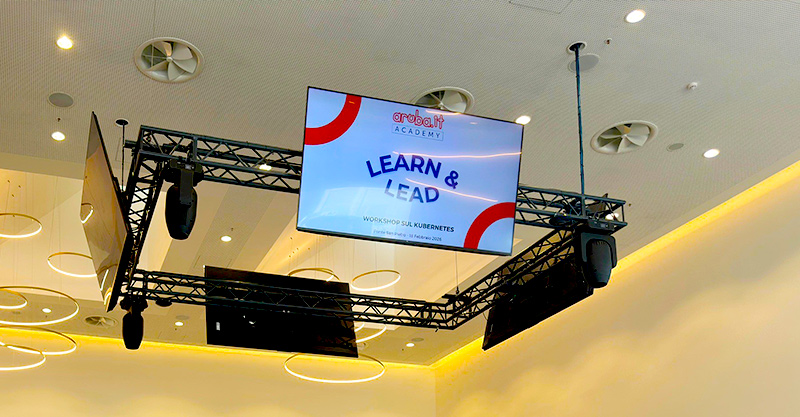
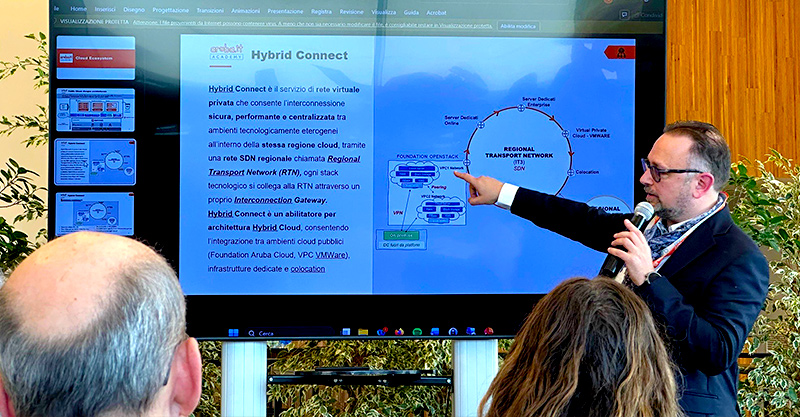
Jamio openwork DevSecOps team participated in the “Learn & Lead” organized by Aruba Academy cloud-native technologies and Aruba Managed Kubernetes .
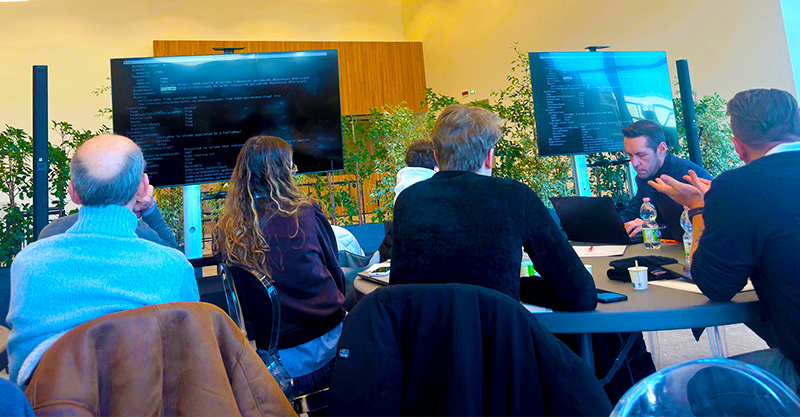
Throughout the day, our specialists delved into key aspects related to Kubernetes cluster , networking, persistent storage, image security, backup, and autoscaling strategies, also taking part in hands-on exercises and load simulations. Participation in this workshop Openwork 's ongoing commitment to strengthening its team's skills and to the technological evolution of Jamio openwork , the no-code cloud platform designed to support the digitization and automation of business processes.
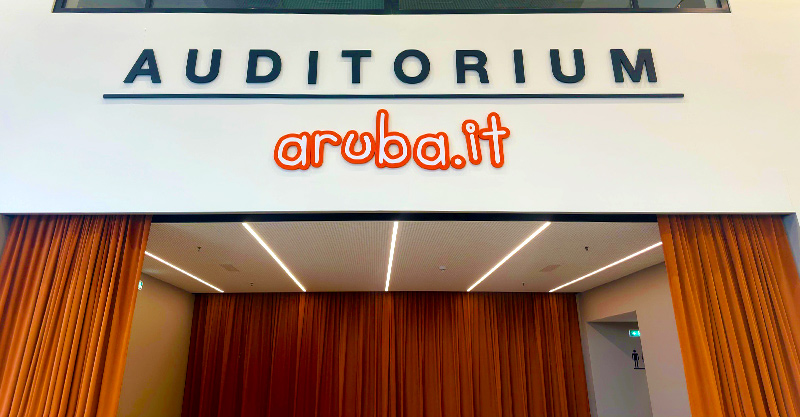
Some pictures from the training day
From Risk to Control: How the Renewable Energy Sector Can Manage PEC

Renewable Energy sector , manual management of certified emails can quickly become an operational and regulatory risk. Communications with regulatory bodies such as GSE, ARERA, municipalities, and grid distributors require precision, timeliness, and full traceability. When certified email inboxes increase and are managed in a fragmented manner, the risk of errors , delays , or failure to process becomes real.
Automating and centralizing certified email (PEC) means integrating communications into business processes, ensuring control, security, and business continuity. It's not just about efficiency, but also about compliance and organizational protection.