





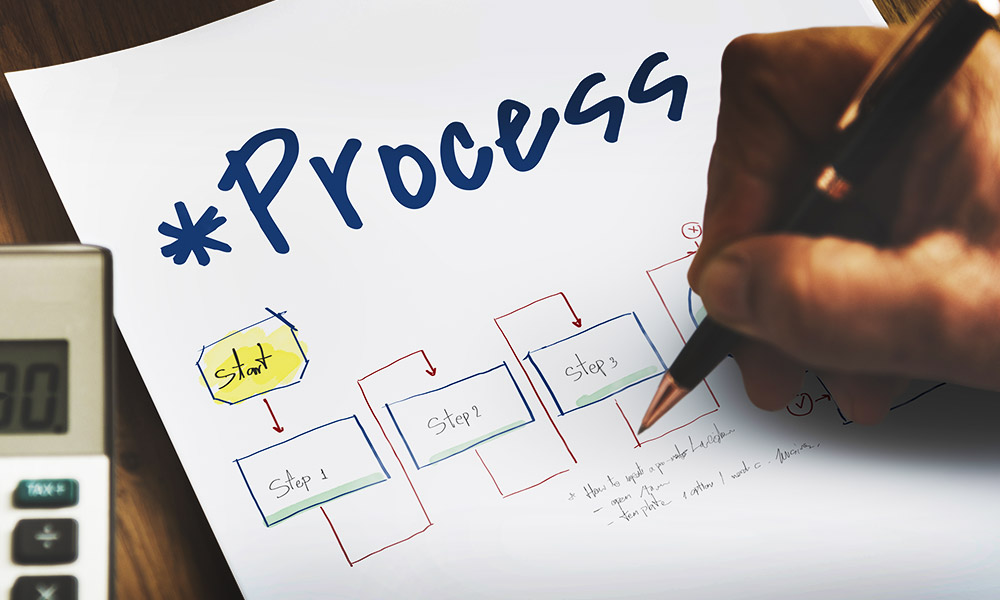
Business process mapping is a highly effective method for visually organizing workflows and processes within an organization , regardless of its type (public or private). This approach allows you to quickly visualize flows, identify inefficiencies, and design targeted solutions.
no-code comes in , allowing companies to quickly create process mappings without the need for programming skills. Intuitive and powerful tools for developing real prototypes that are immediately functional and implementable, as well as integrable with information systems (if these already exist within the company).
Process mapping can be strategic
Business process mapping is not just an operational method, but a fundamental strategy for improving the efficiency and effectiveness of business operations. It provides a clear visualization of how activities are managed, thus creating a solid foundation for optimizing workflows and resources . In a competitive and ever-changing environment, this practice helps organizations identify opportunities for improvement , automate processes , and align with strategic objectives.
Let's look at some of the benefits in detail:
Workflow Visualization : Provides a clear understanding of how activities and interactions between departments occur.
Identifying Inefficiencies : Makes it easier to identify bottlenecks, redundant activities, or unnecessary steps.
Support for digital transformation : Mapping is the first step to digitizing processes and optimizing them with innovative solutions.
Continuous Improvement : Allows you to monitor and refine processes over time, responding quickly to market changes.
Why No-Code Makes Process Mapping Easier
Business process mapping is not just an operational method, but a fundamental strategy for improving the efficiency and effectiveness of business operations. It provides a clear visualization of how activities are managed, thus creating a solid foundation for optimizing workflows and resources . In a competitive and ever-changing environment, this practice helps organizations identify opportunities for improvement , automate processes , and align with strategic objectives.
Let's look at some of the benefits in detail:
Workflow visualization : Allows you to clearly understand how activities and interactions between various departments take place.
Identifying Inefficiencies : Makes it easier to identify bottlenecks, redundant activities, or unnecessary steps.
Support for digital transformation : Mapping is the first step to digitizing processes and optimizing them with innovative solutions.
Continuous Improvement : Allows you to monitor and refine processes over time, responding quickly to market changes.
No-Code and Rapid Prototyping Workflows
Let's see how the no-code approach enables rapid prototyping of business processes:
- Visual Interface : With drag-and-drop and pre-built templates, you can design and structure processes in just a few clicks.
- Real-Time Adaptability : Changes can be implemented immediately, making the software highly dynamic.
- Integrated Automation : After mapping, you can automate workflows with simple configurations, without writing code.
- Rapid Prototyping : No-code platforms allow you to create functional prototypes of solutions, test them, and iterate quickly.
- Accessibility for All : Even employees without technical skills can contribute to the digitalization process, improving collaboration between departments.

Are you familiar with the Jamio No-Code platform?
Jamio is an example of a no-code platform that can support you in all the phases discussed so far. With the no-code , you can map your organization's processes , analyze them, and modify them in real time based on new business objectives. But most importantly, with Jamio, you can make them immediately functional and available in the cloud.
With Jamio, you can:
- Map processes and modify them with ease.
- Automate tasks and integrate workflow capabilities into existing systems.
- Test and scale your solutions without IT support (so without additional costs)