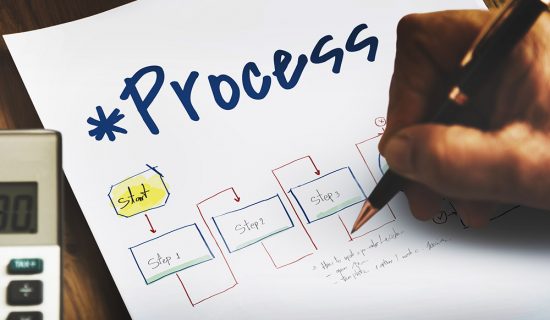






Aiming to optimize business processes through the automation and digital transformation of workflow management activities : this is the core of workflow management solutions, capable of concretely revolutionizing daily operations in companies.
Yes, workflow management: what is it? The literal translation is "workflow management," and it more specifically identifies all the systems, both digital and otherwise, that aim to better organize the various steps of a business process, such as a commercial offer or a purchase order. These processes are generally standard and repetitive, and therefore can be made more efficient with careful management and the right applications.
By directly intervening on document, approval, and communication flows, it is possible to speed up procedures, reduce related costs, and, more generally, increase efficiency in the delivery of services, satisfying both customers and management . Staff will be relieved of the effort associated with secondary procedures, such as document sorting, freeing up more time for more crucial activities.
What challenges to overcome with workflow management
Within a company's resource planning and management activities, the flow of documents is extremely varied and extensive . Consequently, even low-value-added activities related to this context—such as routing to the relevant offices, verifications, data collection and archiving—can be extremely time-consuming if performed traditionally by operators, resulting in organizational bottlenecks or in providing requested feedback. The main challenges faced in these activities include:
- make document and communication processes faster and more effective, streamlining information flows;
- need for interoperability between company systems and efficiency in sharing information and documents, even when out of the office;
- contain management costs workflow management ;
- monitor work progress and track activities;
- ensure data security in compliance with the GDPR and compliance with specific regulations for each sector.
Implementing the principles of business process management through a workflow management solution allows you to overcome these obstacles and transform them into strengths, changing the operational approach thanks to digitalization.
How workflow management revolutionizes work
Through workflow management solutions, business processes are digitized and automated, reducing organizational times: for example, paperwork is managed and archived more quickly because the process is carried out by the system, which can process more information at once.
Among the revolutions that workflow management brings to the workplace:
- System integration and cloud architecture enable efficient sharing of materials and data , even when working remotely;
- workflow management costs are reduced more generally, transparency on expenditure items increases thanks to technology;
- improves adherence to KPIs , as process efficiency is increased;
- Compliance guaranteed privacy by design criteria , in compliance with the GDPR, and customized to the specific needs of the reference sector;
- the risk of human error is .
Workflow management: data security and valorization
Adopting a workflow management solution brings several advantages, including greater document and data security . By digitizing processes such as document sharing and archiving, transfers from one environment to another, such as transfers to the digital archiving system or between colleagues, are performed automatically, eliminating the need for additional operations that could create risks. Furthermore, constant monitoring of workflows is always guaranteed, ensuring the status and progress of various activities are always under control.
Added to this is the valorization of collected and managed data. Indeed, the automation of workflows enables effective information analysis, even unstructured and from different types of documents, such as tables, graphs, and natural language texts, in order to process them and produce easily usable materials and reports. This way, data-driven governance , identifying strengths and weaknesses, and understanding where to direct resources strategically. Therefore, it represents an important opportunity for growth.